How an Auto Body Shop Works With Your Insurance Company
Little Rock, United States - February 20, 2026 / Bale Collision Center (Chenal) /
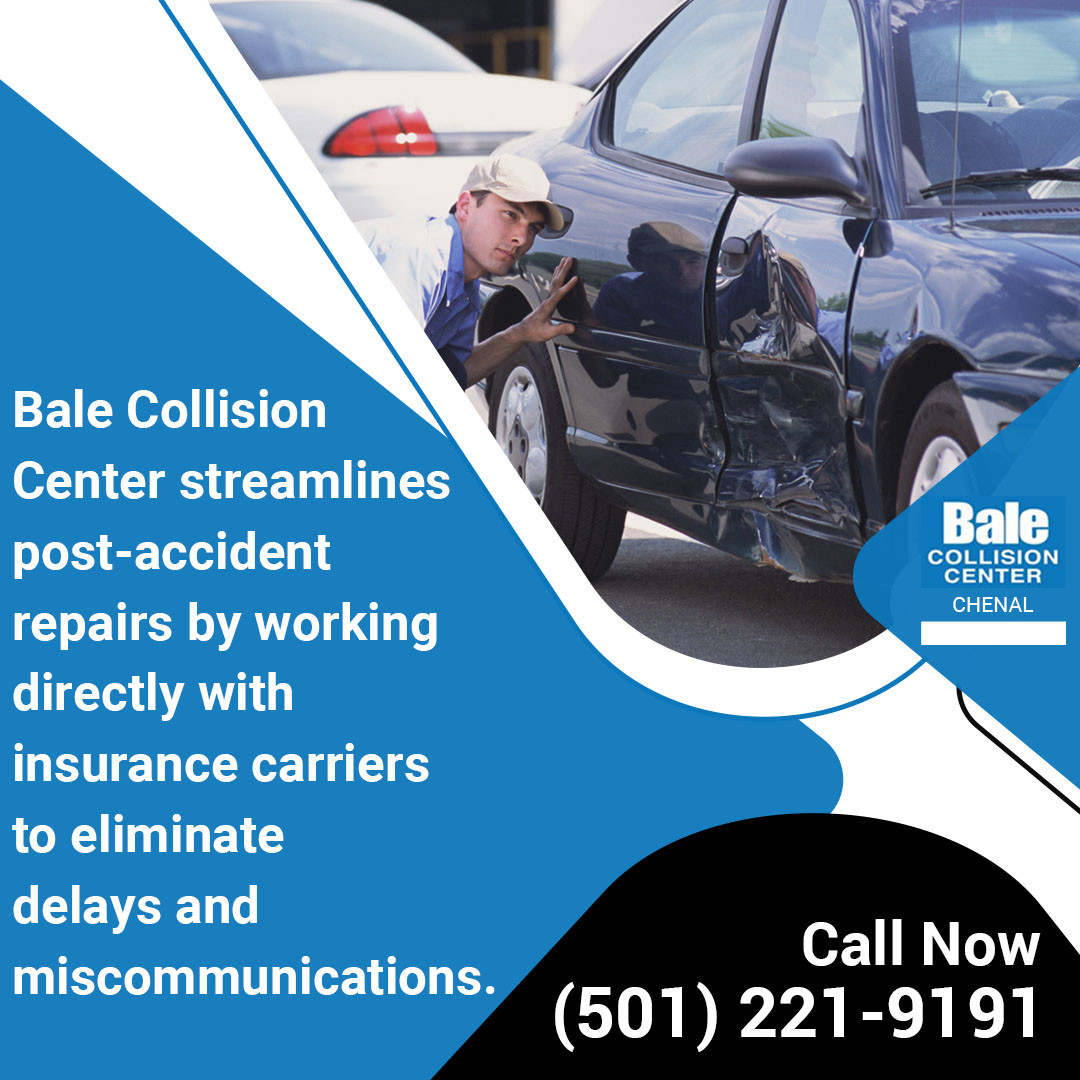
Little Rock, AR – Bale Collision Center (Chenal) is helping drivers navigate the collision repair and insurance claim process with less hassle. By working directly with insurance carriers, the auto body shop eliminates many common delays and miscommunications that can arise after an accident.

Key Steps in Auto Body Shop Insurance Claim Coordination
Immediate Damage Documentation and Estimate Preparation
Technicians begin by recording visible damage with detailed photographs. These images support claim submissions and provide a clear record of the vehicle's condition before any work starts. Technicians capture damage from multiple angles to assist insurance adjusters in evaluating the claim, especially when in-person inspections are not possible.
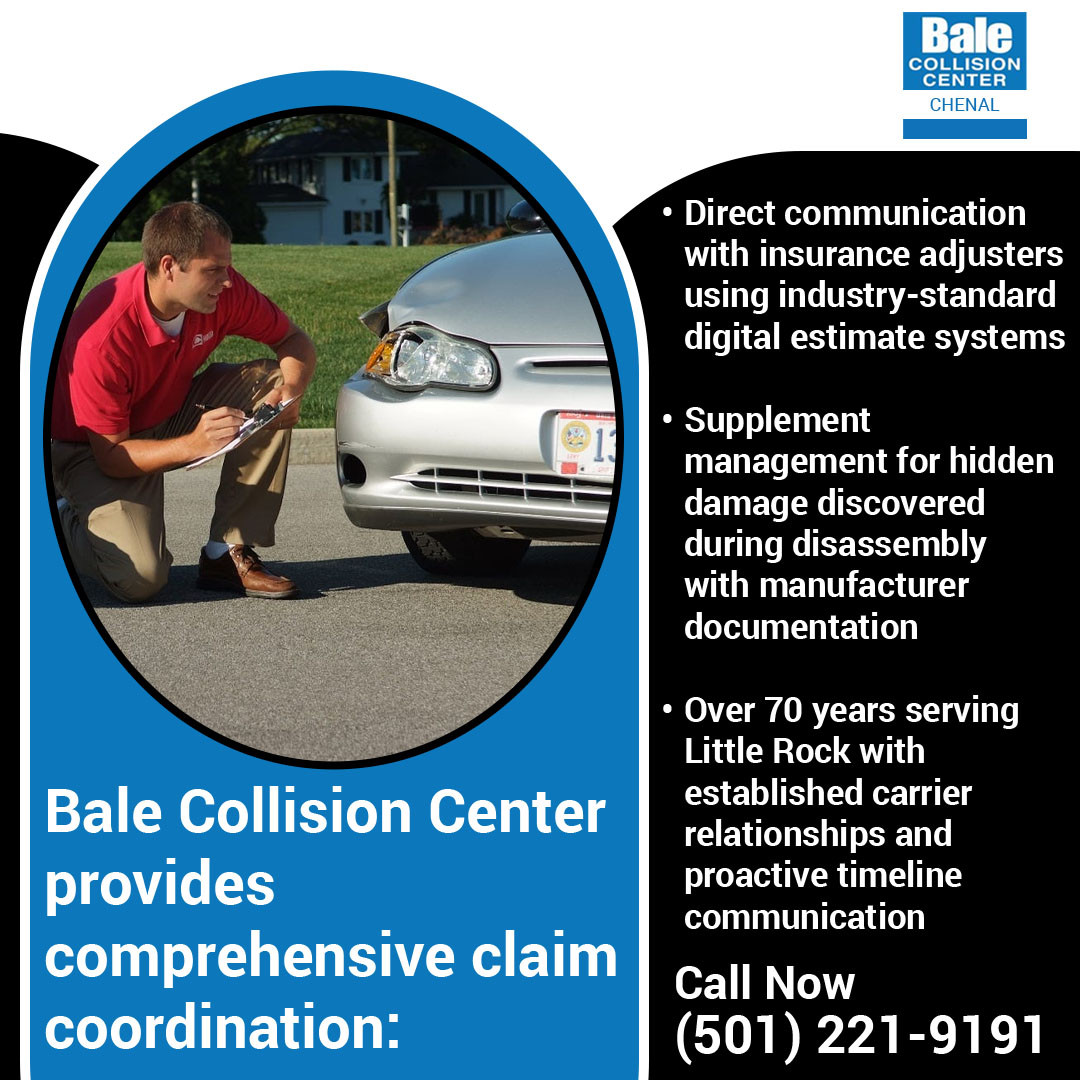
Once documentation is complete, the shop prepares a digital estimate using industry-standard systems. These platforms align with those used by insurance companies, allowing for consistent communication between parties. The initial estimate outlines repair needs, labor hours, parts, and materials based on the damage visible at the time.
Coordinated Communication with Insurance Carriers
Repair facilities send the completed estimate directly to the customer's insurance provider. Carriers review the repair plan, validate coverage, and either approve the proposal, request additional information, or suggest adjustments. The body shop maintains active communication with adjusters throughout this review process to minimize delays.
In cases where insurers initially recommend different repair methods or substitute parts, including the use of aftermarket components instead of Original Equipment Manufacturer (OEM) parts, experienced shops reference manufacturer repair procedures to support the original plan. This documentation helps resolve differences without compromising vehicle safety or structural standards.
Handling Supplements and Hidden Damage Discoveries
Some damage remains hidden until disassembly begins. When this occurs, repair facilities document newly discovered problems with photographs, diagnostic scans, and manufacturer references. A supplemental estimate is submitted to the insurer for approval before additional repairs continue.
This process is common in modern vehicle repairs, especially when structural or safety system components are affected. By pausing work until supplemental approval is received, the shop protects customers from disputes while keeping the process aligned with insurance requirements.
Rental Coordination and Timeline Communication
Many policies offer rental car coverage while repairs are underway. Auto body shops work directly with insurers to authorize rentals and extend coverage when delays occur. Customers receive updates throughout the repair, including parts arrivals, repair milestones, and any changes in estimated completion dates.
If delays occur, such as parts shortages or unexpected issues discovered during repairs, the shop contacts the insurance company promptly to manage adjustments to coverage and schedules. This proactive coordination prevents miscommunication and helps customers stay informed.
Insurance Payment and Final Inspection
After repairs are finished, the facility photographs the completed work and provides any necessary calibration reports for safety systems. This documentation is shared with the insurance provider for final approval. The shop then submits the invoice, including any supplemental charges, to the insurer.
Customers are responsible for their policy deductible, which is collected at vehicle pickup. If a carrier issues payment directly to the customer instead of the shop, the facility provides an itemized invoice for reimbursement.
Multiple Insurer Coordination for Complex Claims
Accidents involving more than one vehicle may require coordination with multiple insurance companies. Professional repair facilities handle these situations by managing documentation and maintaining communication with all relevant parties. In subrogation cases, when a customer's insurer seeks reimbursement from the at-fault driver’s insurer, the shop supports the process by sharing repair records and claim details.
This behind-the-scenes management helps customers avoid the complexity of navigating competing insurer requirements or coverage debates.
How Bale Collision Center Handles Claim Coordination
Bale Collision Center applies this full process with decades of experience and established relationships with major insurance carriers. From submitting accurate estimates to managing supplements and timelines, their team supports every step of the claim journey.
By using industry-standard systems and referencing manufacturer repair procedures, the auto body shop in Chenal Parkway helps protect vehicle safety and value. Their proactive communication keeps customers informed while reducing repair delays. When accidents involve multiple insurers, their documentation support simplifies negotiations.

Experience Smoother Repairs with Trusted Claim Coordination in Chenal Parkway
With over 70 years serving Little Rock, Bale Collision Center offers more than just repairs. The facility's streamlined insurance coordination helps customers avoid confusion, delays, and miscommunication. Their relationships with major carriers and use of certified repair procedures support a faster, more reliable path back to normal life.
Drivers in Chenal Parkway and surrounding areas looking for an auto body shop near them that simplifies insurance processes can contact Bale Collision Center at (501) 221-9191 or email bccwlr@baleautomotive.com.
Contact Information:
Bale Collision Center (Chenal)
13101 Chenal Parkway
Little Rock, AR 72211
United States
Jason Spiller
(501) 221-9191
https://balecollision.com/
Original Source: https://balecollision.com/auto-body-shop/how-an-auto-body-shop-works-with-your-insurance-company/