
How Chinese Medicine Approaches Fall Illness: Remedies and Prevention for Seasonal Colds.
Berkley, United States - January 29, 2026 / Garuda Health /
Chinese Medicine Insights: Preventing and Treating Colds This Fall
Chinese Medicine Insights: Preventing and Treating Colds This Fall
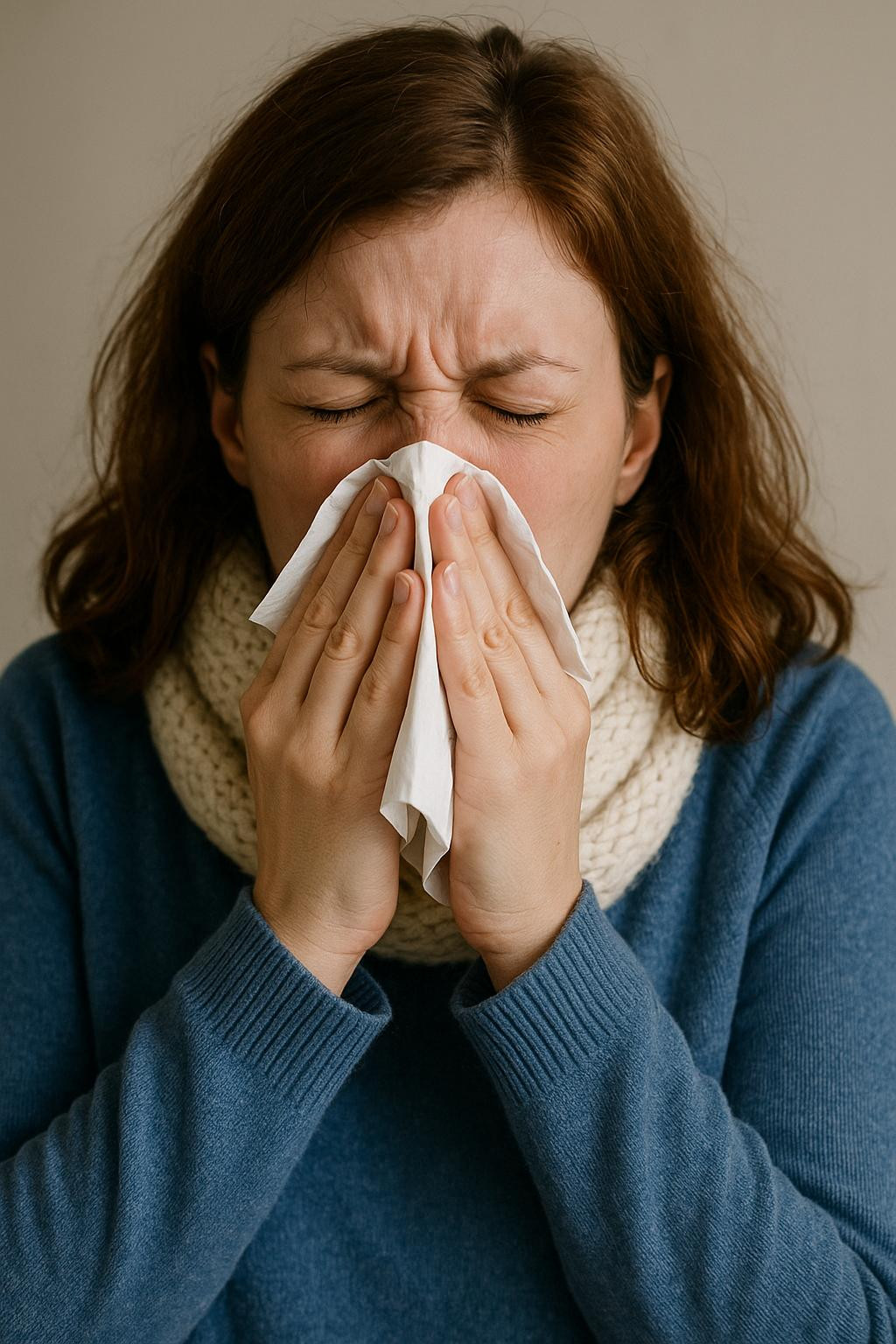
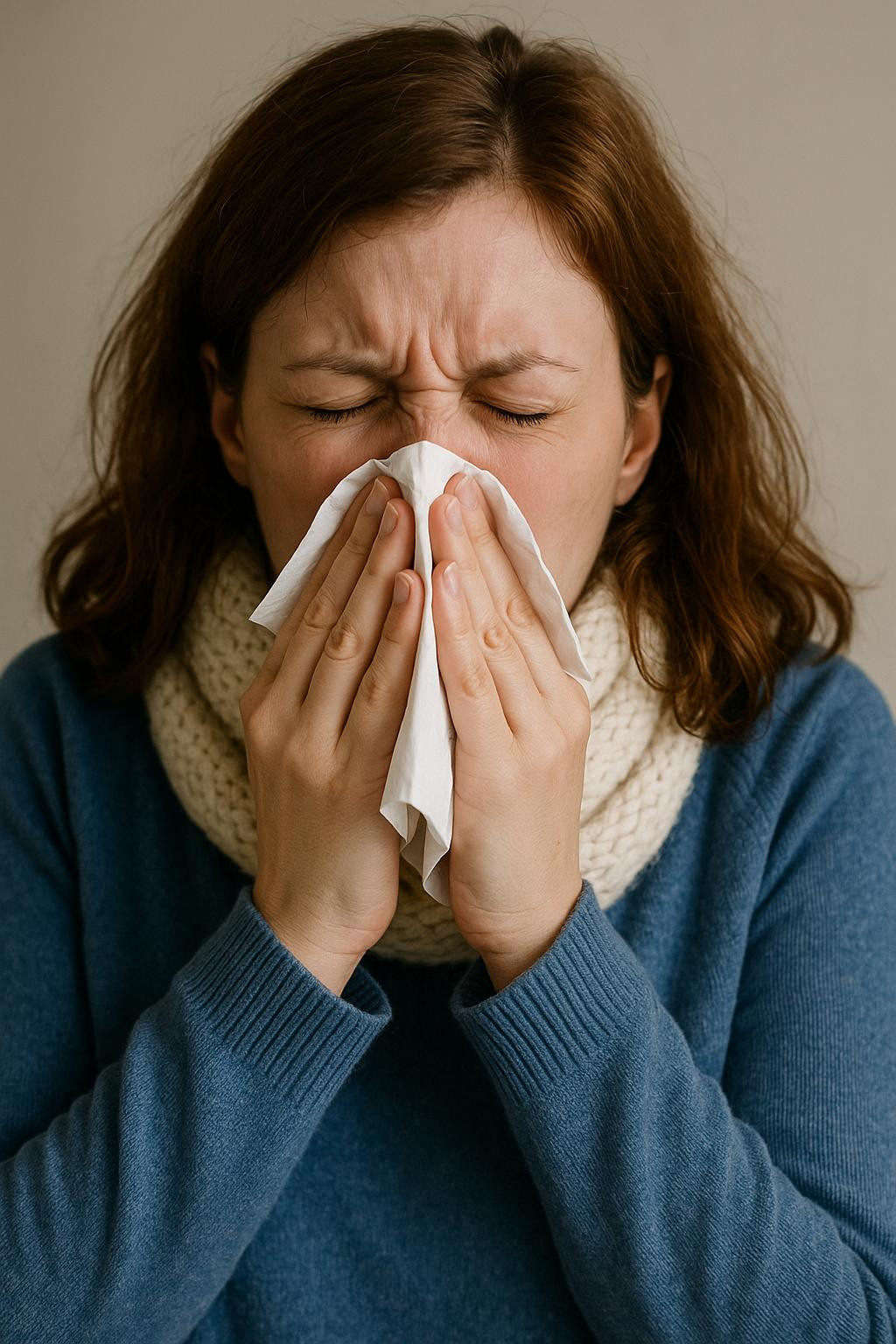
Although fall has come late this year I have seen the first wave of colds that are taking people down for days at a time. The key symptoms are congestion, sore throat, and fatigue, which fits most commonly in Chinese Medicine with the traditional view of wind cold damp obstructing the immune function.
In Chinese Medicine when a patient has upper respiratory symptoms, we ask two major questions:
- Is this problem exclusively an outside element that is trying to get into the system or is there a concurrent internal issue adding to the symptoms?
- Is the patient presenting with more heat, cold, or alternating with their condition?
This helps guide the treatment. Do we simply need to use methods to help the body eject/kill the pathogen? Alternatively, we may need to treat an immune deficiency or hyper-inflammatory response if the patient normally has inflammatory issues. If the patient has chills, we can use warming herbs that help fight infection and boost immunity. On the other hand, if the patient has a high fever and high-inflammatory symptoms, then herbs that cool the tissue, kill pathogens, and reduce swelling will be employed.
In western medicine, our body’s reaction to bacteria and viruses will cause infections. Chinese Medicine thinks very similarly. However, since lab tests were not available 2,000 years ago, they came up with the idea of “external invasion factors.” Sometimes, it is a simple “wind,” or irritant, that is carried in the air, then enters the body and attacks, but depending on the environment, “heat,” “dampness,” “dryness,” “cold,” or a combination of these can also be carried into the system, causing a reaction. This fall I have seen a Cold-Damp Wind presentation very prevalent in patient’s symptoms. The cold, moist air is invading our frontal defense in our nose and mouth, causing sneezing, congestion, nasal drip, irritated cough, cold skin, and fatigue. Depending on the patient’s constitution and underlying factors, this cold may be prolonged if the immune response is not robust.
The old saying of "if you stay out in the cold and rain you’ll catch a cold or pneumonia," is now starting to get verifiable scientific understanding. Various studies that measure how cold affects immune response of the epithelial lining of the nose, mouth, throat, and lungs show an impairment in the body’s defenses due to prolonged exposure. Furthermore, studies on bacteria and viruses like the rhinovirus are shown to grow or proliferate on epithelial tissue when it’s at a lower body temperature than normal. (This is also why fever can be a response from the body to cook pathogens that prefer a cooler temperature to live on). You can read more here.
So, how do we prevent and treat these types of colds?
Well, one part of Chinese Medicine that is a staple in their culture (and should make its way into Western culture) is the daily hygiene habits in the cold months. For example, never leave the house with wet hair, make sure you are completely dry before getting dressed, cover exposed skin before going out, never drink ice water. In fact, it’s common to see people carrying hot water or ginger slices in their water. It's worth it to make sure meals are warmed up and not directly from the refrigerator.
Generally, be sure that everything on and/or in the body is helping keep the thermal temperature of the body higher, as this repels pathogens trying to invade the system. Dry/infrared saunas are certainly useful and are part of cultural life in cold parts of the world like Scandinavia and northern Japan, as it helps keep the internal body temperature warm and keep the peripheral vasculature open and immune factors circulating near the surface where the body needs protecting. And of course, WASH YOUR HANDS. The most direct way for something to get into your nose and mouth is by touching it with hands that are touching multiple surfaces.
What is the treatment once the cold has already invaded the system and symptoms are starting to show?
Acupuncture can help reduce achiness, congestion, and swelling in the upper respiratory system so the body can rest and focus on repelling the invading factors. Herbal medicine has a wide variety of herbs and formulas that are specifically tailored to the symptoms a patient is having. This helps support the immune system while also having antibacterial and antiviral properties.
Food therapy is also important. There is truth in having soup, not only because it’s easily digestible and doesn’t overburden the body, but many of the common herbal foods are great food grade herbs for infection: green onion, garlic, onion, cinnamon, mint, thyme, sage, and elderberry. These all help with pathogenic factors. Mixed with sweet foods like carrot, honey, and yams all help supplement the immune system.
Next time you feel you’re coming down with something, don’t hesitate to call us. We can prepare a custom formula based on your symptoms and have it made within the hour for pick up. Click here for clinic directions.

Contact Information:
Garuda Health
1130 Catapla Dr.
Berkley, MI 48072
United States
Jason Gauruder
(248) 951-8897
https://garudahealth.org