
How ACT at Bay Area CBT Center Helps Couples Overcome Communication Barriers
San Francisco, United States - November 29, 2024 / Bay Area CBT Center /
San Francisco, CA — The Bay Area CBT Center, a leading mental health facility in San Francisco, is dedicated to helping couples improve their relationships with couples therapy and couples therapy retreats. Effective communication is crucial for a healthy relationship. Many couples face challenges, such as misunderstandings, emotional walls, and unresolved conflicts, that can impede their ability to communicate effectively. The Bay Area CBT Center provides a solution through its evidence-based approach, which aims to break down communication barriers and foster stronger emotional connections between partners.

Communication Barriers in Relationships
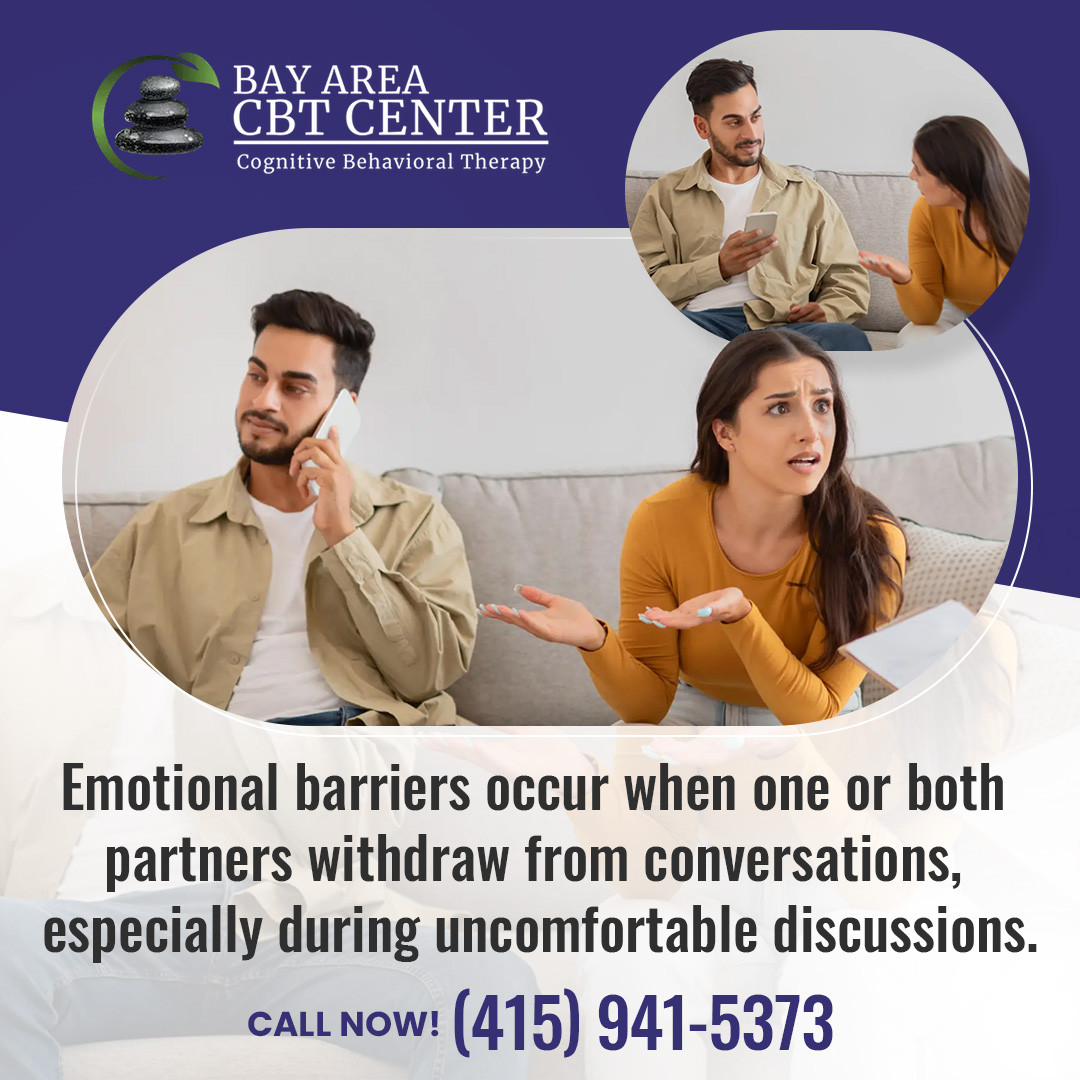
Emotional barriers can cause couples to struggle with communication. This can occur when one or both partners withdraw from conversations, especially during uncomfortable discussions. This withdrawal can create distance and lead to unresolved issues that pile up over time.
Another common issue that creates communication barriers in couples is the tendency to overreact to criticism. When one partner feels criticized, it can trigger a defensive response. This pattern can escalate into arguments, causing both partners to feel unheard and frustrated.
Assumptions and mind-reading can further complicate communication. Partners may misinterpret each other’s words and actions based on their biases or past experiences. This misunderstanding can create unnecessary conflict and feelings of resentment.
Negative communication cycles also play a significant role in relationship challenges. When unresolved issues resurface during conflicts, it can reignite old wounds. This can cause partners to focus on past grievances instead of addressing current problems. This cycle creates a toxic environment that diminishes trust and intimacy.
How ACT Makes a Difference
The Bay Area CBT Center uses Acceptance and Commitment Therapy (ACT) principles in couples therapy to address these common communication barriers. ACT emphasizes acceptance and mindfulness. This approach allows couples to acknowledge their uncomfortable emotions without judgment.
Through ACT, couples learn that it is normal to experience difficult feelings and that acknowledging these feelings does not indicate failure in their relationship. Accepting these emotions helps partners to engage in more honest discussions.
Another key aspect of ACT is defusion, which helps partners step back from negative thoughts, allowing them to observe these thoughts without acting on them. Many couples fall into the trap of repetitive thinking patterns, such as believing “They never listen to me” or “I’m not good enough,” which can contribute to communication breakdowns and frustration. ACT teaches couples to observe these thoughts without acting on them. This ability allows partners to respond calmly, rather than reactively, during discussions.
Mindfulness is also an essential component of ACT, encouraging couples to stay present during conversations, ensuring they listen attentively without interruptions, and responding thoughtfully. When partners begin to practice mindfulness, they learn to notice their emotions without feeling overwhelmed. This skill enables them to respond thoughtfully instead of impulsively.
Implementing ACT at the Bay Area CBT Center
At the Bay Area CBT Center, experienced therapists use ACT-based interventions to guide partners in exploring their emotions and developing healthier communication strategies. The center emphasizes the importance of clarifying shared values. When couples align their actions with what truly matters to them, they can reconnect on a deeper level. This value-driven approach encourages partners to engage in meaningful actions that strengthen their relationship.
During couples therapy, the therapists also help couples identify small, actionable steps they can take between sessions. These actions may include practicing active listening and using mindfulness techniques to maintain calm during discussions. By committing to these actions, couples can create lasting changes in their communication patterns.
Couples Therapy Retreats for Deeper Engagement
The Bay Area CBT Center also offers couples therapy retreats. These immersive experiences allow partners to disconnect from everyday distractions and focus entirely on each other. During the couples retreat therapy, couples engage in experiential exercises and workshops designed to reinforce ACT principles. This hands-on approach enhances their ability to communicate effectively and connect emotionally.
Explore Sex Therapy for Deeper Intimacy
In addition to couples therapy, the Bay Area CBT Center offers specialized sex therapy to help partners address challenges related to intimacy and sexual connection. Through a compassionate and evidence-based approach, therapists guide couples in overcoming sexual difficulties, navigating mismatched desires, and fostering open communication about intimacy and sexual connection.
Get Started with Couples Therapy at Bay Area CBT Center

Couples seeking to enhance communication and strengthen their relationship can turn to the Bay Area CBT Center for expert guidance. The center helps partners foster deeper connections and create lasting change with their personalized couples therapy sessions and immersive retreats.
For more information about couples therapy in San Francisco or to schedule a consultation, contact the Bay Area CBT Center at (415) 941-5373 or email info@bayareacbtcenter.com. Take the first step toward building a healthier, more connected relationship today.

Contact Information:
Bay Area CBT Center
2211 Post St Ste 300
San Francisco, CA 94115
United States
Dr. Avigail Lev
(415) 941-5373
https://bayareacbtcenter.com/


Original Source: https://bayareacbtcenter.com/how-act-at-bay-area-cbt-center-helps-couples-overcome-communication-barriers/