
The Future of Hearing Care: Engagement Fueled by Analytics
United States - February 18, 2026 / AuDMatic /
In the evolving landscape of healthcare, audiology practices are increasingly recognizing the importance of leveraging patient data to enhance engagement. By effectively utilizing patient data, these practices can create personalized experiences that foster stronger relationships with their patients. This article explores how audiology practices can harness patient data to drive meaningful engagement in 2026, focusing on key strategies for data collection, marketing automation tools, patient segmentation, and measuring engagement success. As practices face challenges in retaining patients and optimizing their services, understanding how to use data effectively becomes crucial. We will delve into the methods of data collection and privacy compliance, the features of marketing automation tools, strategies for patient segmentation, and the metrics that can help practices measure their engagement success.
Indeed, the broader field of audiology research also emphasizes the critical role of patient and public involvement to truly understand and improve care.
What Are the Key Patient Data Collection and Privacy Compliance Methods in Audiology?
Collecting patient data securely and ensuring compliance with privacy regulations are fundamental for audiology practices. Effective data collection methods not only enhance patient engagement but also build trust and transparency. Practices must implement robust systems to manage patient data while adhering to regulations such as "HIPAA", which governs the privacy and security of health information in the United States. By prioritizing secure data management, audiology practices can create a foundation for meaningful patient interactions.
How Do Audiology Practices Collect and Manage Patient Data Securely?
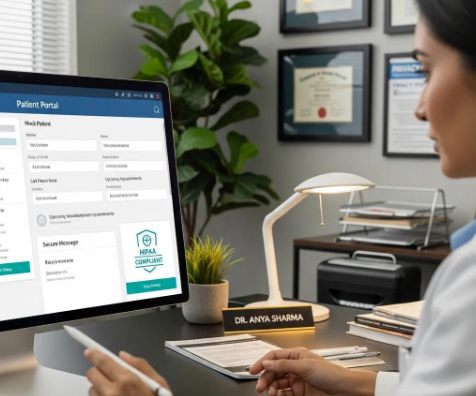
Audiology practices can collect and manage patient data securely through various methods, including electronic health records (EHRs) and secure patient portals. These systems allow for the safe storage and retrieval of patient information, ensuring that sensitive data is protected from unauthorized access. Additionally, practices can implement encryption and access controls to further enhance data security. By adopting these secure data management practices, audiology providers can foster patient trust and encourage more open communication.
What Are the Essential Data Privacy Regulations Audiology Practices Must Follow?
Audiology practices must adhere to essential data privacy regulations, primarily the Health Insurance Portability and Accountability Act (HIPAA) in the United States. HIPAA sets forth guidelines for the protection of patient information, requiring practices to implement safeguards to ensure confidentiality and security. Non-compliance can lead to significant penalties, making it crucial for audiology practices to stay informed about these regulations. Understanding the implications of HIPAA and other relevant laws helps practices maintain compliance while effectively managing patient data.
Which Marketing Automation Tools Enhance Patient Engagement in Audiology?
Marketing automation tools play a vital role in enhancing patient engagement within audiology practices. These tools streamline communication, improve appointment management, and facilitate personalized marketing efforts. By leveraging automation, practices can ensure timely follow-ups and reminders, ultimately leading to improved patient satisfaction and retention.
What Features Should Audiology Marketing Automation Platforms Include?
Effective audiology marketing automation platforms should include features such as user-friendly interfaces, integration capabilities with existing EHR systems, and customizable communication workflows. These features enable practices to tailor their marketing efforts to individual patient needs, enhancing the overall patient experience. Additionally, robust analytics tools within these platforms allow practices to track engagement metrics and optimize their strategies accordingly.
How Do Automation Tools Improve Appointment Management and Patient Communication?
Automation tools significantly improve appointment management and patient communication by streamlining scheduling processes and sending automated reminders. This reduces no-show rates and ensures that patients receive timely notifications about their appointments. Furthermore, these tools can facilitate personalized communication, allowing practices to send targeted messages based on patient preferences and behaviors. By enhancing communication workflows, audiology practices can foster stronger relationships with their patients.
How Can Patient Segmentation and Personalization Improve Audiology Patient Retention?
Patient segmentation and personalization are critical strategies for improving retention in audiology practices. By understanding the unique needs and preferences of different patient groups, practices can tailor their services and communications to enhance patient satisfaction. This targeted approach not only improves engagement but also increases the likelihood of patients returning for follow-up appointments.
What Are Effective Patient Segmentation Strategies in Audiology?
Effective patient segmentation strategies in audiology involve categorizing patients based on demographics, health conditions, and engagement history. For instance, practices can segment patients by age, hearing loss severity, or treatment history. This segmentation allows for more personalized marketing efforts and service offerings, ensuring that patients receive relevant information and support tailored to their specific needs.
How Does Personalization Drive Better Patient Engagement Outcomes?
Personalization drives better patient engagement outcomes by creating tailored experiences that resonate with individual patients. When audiology practices utilize patient data to customize communications and services, patients feel more valued and understood. This personalized approach can lead to increased loyalty and higher retention rates, as patients are more likely to return to a practice that meets their unique needs.
How Is Engagement Success Measured to Boost Audiology Practice Profitability?
Measuring engagement success is essential for audiology practices aiming to boost profitability. By analyzing key metrics, practices can gain insights into patient satisfaction and identify areas for improvement. Understanding these metrics allows practices to refine their strategies and enhance overall patient experiences.
Which Analytics Metrics Reflect Patient Engagement Effectiveness?
Key analytics metrics that reflect patient engagement effectiveness include patient feedback scores, appointment adherence rates, and communication response rates. By tracking these metrics, audiology practices can assess how well they are engaging with their patients and make data-driven decisions to improve their services. Regularly reviewing these metrics helps practices stay aligned with patient expectations and enhance their overall engagement strategies.
How Can Audiology Practices Use Data to Optimize Retention and Revenue?
Audiology practices can use data to optimize retention and revenue by analyzing patient behaviors and preferences. By identifying trends in appointment attendance and patient feedback, practices can implement targeted interventions to address potential issues. For example, if data indicates a high no-show rate among a specific patient segment, practices can develop tailored communication strategies to encourage attendance. This data-driven approach not only improves patient retention but also enhances overall revenue generation for the practice.


Original Source: https://www.audmatic.pro/